
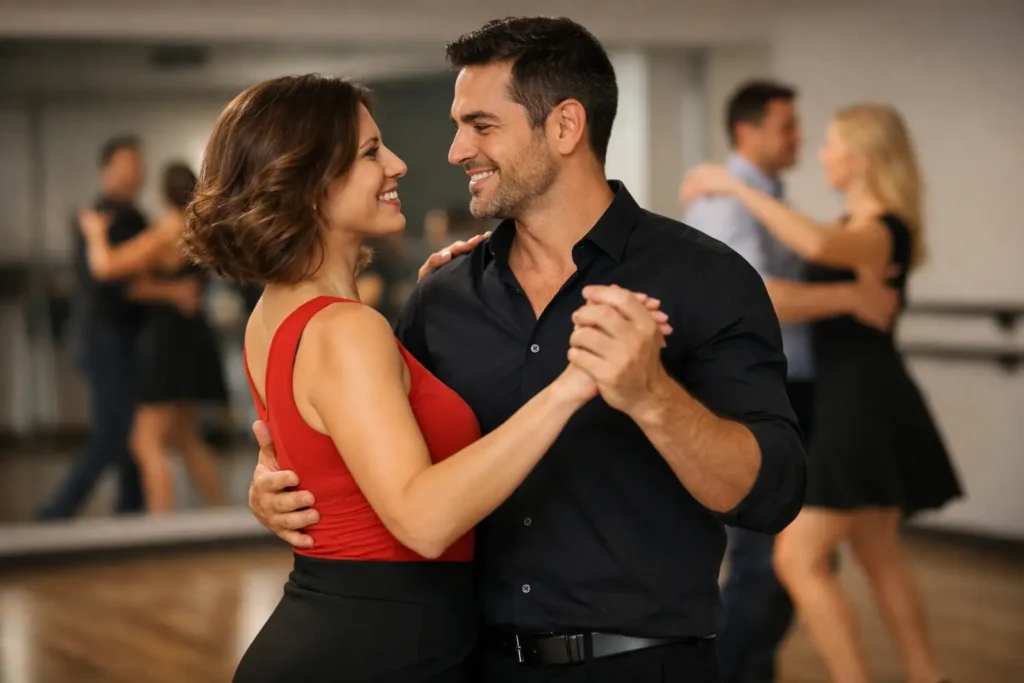
The first salsa count can feel fast when the music is already filling the room, glasses are clinking, and confident dancers seem to know exactly where to step. That is precisely why a guide to salsa lessons for adults should start with one truth: you do not need experience, perfect timing, or a dance partner to join the fun. You only need a willingness to move, laugh, and take the next count.
Salsa is social by nature. It belongs at celebrations, dinner tables, live music nights, and packed dance floors where strangers become dance partners for three minutes at a time. For adults looking for a new hobby, a fun date-night plan, or a more memorable way to enjoy Latin nightlife, lessons offer an easy way in.
Start With the Right Kind of Salsa Class
Not every salsa lesson feels the same, and the best choice depends on what you want from the experience. A studio course can provide focused instruction over several weeks, while a social lesson at a cantina or dance night is often more relaxed, welcoming, and immediately connected to real music and dancing.
If you are completely new, look for a beginner class that teaches the basic step, rhythm, turns, and partner connection without assuming prior dance knowledge. A good instructor breaks movements into counts, demonstrates them slowly, and gives everyone time to repeat the pattern before increasing the speed.
Many adult beginners worry about being the only inexperienced person in the room. In a true beginner lesson, that concern usually fades within the first few songs. Everyone is working on the same fundamentals, and even more experienced dancers regularly return to basics to improve their timing and lead or follow technique.
Group Lessons vs. Private Lessons
Group classes are ideal when you want energy, community, and a lower-pressure way to learn. You rotate partners, hear different styles of connection, and quickly realize that salsa is not about performing a memorized routine. It is about listening, responding, and enjoying the music together.
Private lessons offer more personalized feedback and can be worthwhile if you have a specific goal, such as preparing for a wedding, building confidence before a vacation, or refining your technique. The trade-off is that private instruction can feel more intense and costs more. For most adults, starting with a lively group lesson is the better first move.
What You Will Learn in Your First Salsa Lesson
Your first class is not about complicated spins or dramatic dips. It is about finding the beat and getting comfortable with the basic movement. Most beginner lessons begin with the foundational step, often counted as one, two, three, pause, five, six, seven, pause.
That pause matters. Salsa has personality because it leaves room for rhythm, expression, and connection. You are not marching through eight identical steps. You are learning to settle into the music.
You will also learn whether you are leading or following. These are dance roles, not rules about gender. Anyone can choose either role, and many dancers enjoy learning both. The lead communicates direction with a clear but gentle invitation. The follow stays present, maintains balance, and responds without guessing ahead. Neither role should involve pulling, gripping, or forcing a move.
Expect to practice a simple turn pattern, change partners in a group setting, and spend plenty of time laughing when feet go in the wrong direction. That is part of the process. The dancers who improve fastest are not always the ones who get every step right – they are the ones who keep moving when they miss one.
What to Wear for Salsa Lessons
Wear something that lets you move comfortably and makes you feel ready for a night out. Salsa can get warm, especially in a busy venue, so breathable clothing is a smart choice. A casual dress, jeans with a flexible top, a button-down shirt, or a polished outfit with room to move can all work beautifully.
Shoes matter more than a perfect outfit. Choose footwear that stays secure on your feet and allows a little pivot on the floor. Flat shoes, low heels, dance sneakers, or shoes with smooth soles are often beginner-friendly. Avoid flip-flops, heavy boots, and shoes with sticky rubber soles that can make turning difficult.
High heels can look fantastic, but they are not required. If you love heels, start with a lower, stable pair until you feel confident with your balance. Bring water, and consider a small towel or an extra shirt if you plan to stay for the social dancing afterward.
You Do Not Need to Bring a Partner
One of the best parts of adult salsa lessons is that coming alone is completely normal. Social classes commonly rotate partners, which helps everyone learn to adapt and prevents one person from feeling stuck if their partner is also new.
If you arrive with a date or a group of friends, you can usually dance together for part of the lesson. Still, try rotating when the instructor invites it. Dancing with different people teaches you to pay attention to connection rather than memorizing one person’s habits.
Salsa etiquette keeps the room comfortable for everyone. Ask someone to dance with a friendly smile, accept a no graciously, and thank your partner at the end of each song. Keep your hands appropriate, your grip light, and your attention on the dance. A great partner makes the experience feel safe, easy, and fun, even when both people are beginners.
How to Feel Less Nervous on the Dance Floor
Nerves usually come from the idea that everyone is watching. They are not. Most people are concentrating on their own steps, their partner, and the music. The dance floor is far more forgiving than it looks from the edge.
Give yourself a small goal for your first night: stay through the lesson, learn the basic step, and dance one full song afterward. Do not pressure yourself to look advanced. Confidence comes from repetition, not from waiting until you feel ready.
When you lose the count, return to your basic step. When you forget a pattern, smile and keep the rhythm. When a turn does not work, let it go and reset. Salsa rewards presence more than perfection.
It also helps to arrive early. You can settle in, order food or a drink, watch the room come alive, and get comfortable before the lesson begins. A venue with dinner, entertainment, and dancing turns the class into a full evening instead of a task on your calendar.
A Guide to Salsa Lessons for Adults at a Social Night
A social salsa lesson has one major advantage: you can use what you learn right away. Instead of practicing in a quiet room and going home, you can hear the music, try the basic step, and celebrate every small win with friends around you.
At La Catrina Cantina, free salsa lessons can be part of an authentic Mexican cantina experience filled with Latin music, food, celebration, and a dance floor ready for your first song. This setting is especially welcoming for visitors, date nights, birthday groups, and anyone who wants more than a standard dinner reservation.
The key is to treat the lesson as an invitation, not a test. Stay for a few songs after class. Watch dancers with more experience, but do not compare your beginning to their years of practice. Let the percussion guide your steps, enjoy the atmosphere, and say yes when someone asks you to dance.
Build Progress Without Making It Feel Like Homework
Salsa gets easier when you practice often, but practice does not have to mean drilling alone in your living room for an hour. Put on salsa music while cooking, mark the basic timing with your feet, or review one turn pattern before your next night out. Small repetitions train your ear and make the rhythm familiar.
Try to attend several lessons close together at the beginning. One class can introduce the steps, but consistency is what helps your body remember them. After three or four sessions, many adults notice they are no longer counting every beat out loud. They simply hear where the movement belongs.
As you improve, explore the styles that excite you. Some dancers prefer the circular movement of Cuban-style salsa, while others enjoy the slot-based structure often associated with salsa on one or salsa on two. There is no need to choose immediately. Learn the foundations first, then follow the music and community that feel right to you.
Your first salsa lesson may begin with uncertain feet, but it can end with a new favorite way to celebrate. Come ready to learn one step, meet one new person, and stay for one more song. The rhythm will take care of the rest.