
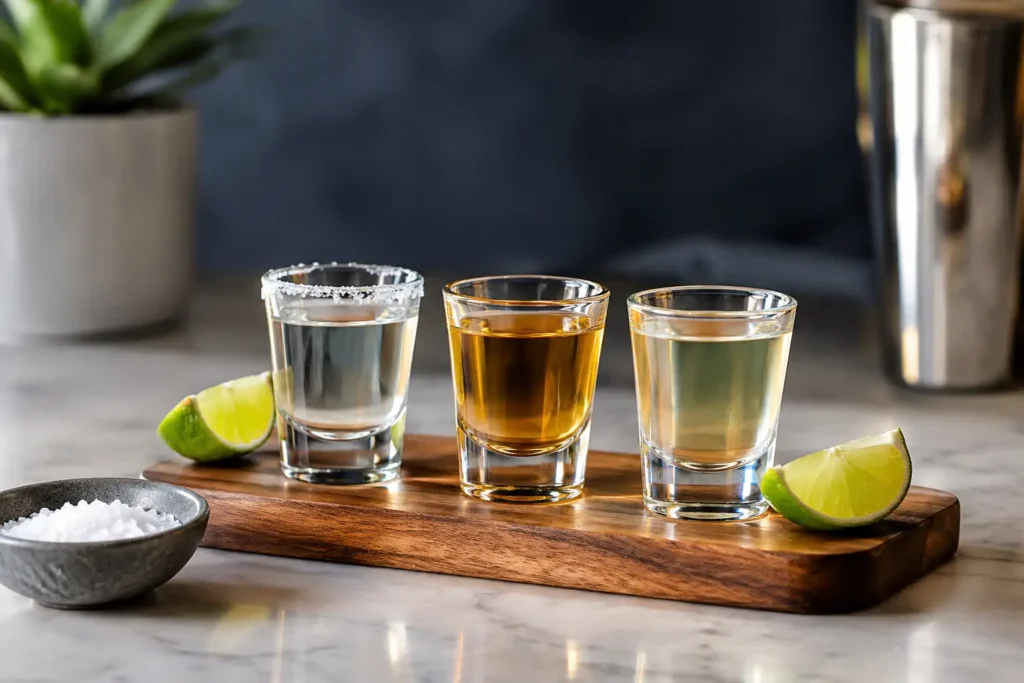
A tequila flight can turn one round into a full cantina experience. The difference between a memorable tasting and a blur of similar pours comes down to a few smart choices: where the tequila comes from, how it was aged, what you eat with it, and how you share it. Knowing how to select tequila flights means you can taste with curiosity, order with confidence, and still have energy for the music and dance floor.
Start With Real Tequila
For a flight worth savoring, look for tequila labeled 100% agave. It is made from blue Weber agave and gives you a clearer expression of the plant, from earthy and herbal to bright, peppery, and lightly sweet. Tequila labeled simply as tequila may contain added sugars alongside agave, which can create a softer, sweeter profile but may not show the same depth.
That does not mean every 100% agave tequila tastes the same. Production methods matter. Some distilleries use traditional stone milling or brick ovens, while others use more modern equipment. The result may lean roasted, mineral, citrusy, grassy, spicy, or rich with cooked agave. A good flight gives you a chance to notice those differences instead of covering them with mixers.
Choose a Flight With a Clear Story
The easiest way to select a tequila flight is to decide what you want to compare. Ordering three random bottles can be fun, but a little structure makes the tasting more rewarding.
Compare the main tequila styles
A classic progression includes blanco, reposado, and añejo. Blanco is typically unaged or rested briefly, so it is the closest look at the agave itself. Expect fresh citrus, pepper, green herbs, and a clean finish. It is often the best starting point for guests who want to understand tequila beyond shots.
Reposado is aged in oak for at least two months and up to a year. The barrel softens the sharper edges and can add vanilla, caramel, baking spice, or light toasted notes while letting the agave stay present. It is a natural middle ground for someone who enjoys whiskey or bourbon but still wants a distinctly Mexican spirit.
Añejo spends one to three years in oak, developing deeper color and richer flavors such as toasted wood, dried fruit, chocolate, and warm spice. It can be beautiful for sipping, especially after dinner, but it may be less ideal if your goal is to learn the bright character of agave first.
For most groups, this three-style flight is the best place to begin. It tells a story from fresh agave to oak-aged richness in three glasses.
Taste one style from different producers
If you already know whether you prefer blanco or reposado, try three expressions in the same category. This approach lets you compare the personality of each producer rather than the influence of barrel aging. It is especially fun with blancos because small production choices become easier to spot.
One blanco may smell like lime peel and black pepper. Another may be rounder, with roasted agave and a touch of olive or mineral character. There is no single “best” profile. The right choice depends on whether your table enjoys crisp, vibrant spirits or richer, more savory pours.
Add a special pour with purpose
A premium añejo, extra añejo, or limited-release bottle can make a flight feel celebratory, but it should have a role. Add it as the final pour if your group is marking a birthday, a reunion, or a big night out. It can be a beautiful finish, though pouring only high-aged tequilas can make the tasting feel heavy and hide the lively flavors that make tequila so distinctive.
How to Select Tequila Flights for Your Group
The best flight for a solo taster is not always the best flight for a table celebrating together. Think about experience level, pacing, and the rest of the evening.
For first-time tequila tasters, choose approachable expressions and a classic blanco-reposado-añejo progression. Skip the urge to prove something with the highest proof or rarest bottle. Guests who normally order margaritas often enjoy a soft reposado as their bridge into sipping tequila.
For tequila fans, ask for contrast. A crisp highland-style blanco beside a more earthy lowland-style blanco can spark conversation. In general, highland agave often gives a fruitier, floral impression, while lowland tequila can feel more herbal, peppery, and mineral. These are tendencies, not rules, but they offer a useful lens for tasting.
For a party heading toward live music, salsa lessons, or a late-night celebration, keep the pours modest and share food alongside them. A flight is an experience, not a race. Water between sips helps your palate stay fresh, and it helps everyone enjoy the night with more intention.
Taste in the Right Order
Serve and taste from the lightest style to the richest: blanco first, then reposado, then añejo. If an extra añejo is included, save it for last. Moving in this order keeps oak from overwhelming the delicate agave notes in younger tequila.
Take a moment with each glass before sipping. Look at the color, but do not judge quality by darkness alone. Some color comes from barrel time, and some producers may use approved coloring in certain styles. Aroma tells you more. Give the tequila a gentle swirl, then take a short smell. Look for cooked agave, citrus, herbs, pepper, vanilla, oak, fruit, or spice.
Sip slowly. Let a small amount rest on your palate, then notice what remains after you swallow. Is it bright and clean? Creamy and sweet? Dry and peppery? A quick note on your phone can be useful, especially when your group starts debating favorites.
Avoid adding lime, salt, or sangrita before you have tried the tequila neat. Those accompaniments have their place and can be delicious, but they change the flavor picture. Taste the spirit on its own first, then enjoy pairings afterward.
Pair the Flight With the Table
Food makes tequila tasting more social, and the right dishes can reveal new flavors in the glass. Bright blanco tequila works beautifully with fresh ceviche, citrus, salsa verde, shrimp, and lighter tacos. The acidity and spice in the food can lift its herbal, peppery character.
Reposado is especially flexible at the table. Try it with carne asada, al pastor, grilled vegetables, queso fundido, or a dish with a little smoky chile. Its touch of oak can meet richer flavors without overpowering them.
Añejo often shines with deeper, slower flavors: mole, braised meats, roasted corn, chocolate-based desserts, or a final bite of churro. The pairing should not be overly sweet, though. Too much sugar can flatten the tequila and make the finish seem hot.
If you are sharing several plates, do not try to match every bite perfectly. Start with fresh dishes during the blanco, move into grilled and savory flavors for reposado, and save the richest plate or dessert for añejo. That rhythm keeps the whole table in sync.
Know What to Ask Your Server
A great cantina team can help you build a flight that matches your taste rather than pushing the same labels every time. Tell your server what you usually drink. If you like a dry martini, spicy margarita, smoky mezcal, bourbon old fashioned, or even a glass of wine, that gives useful clues.
Ask whether the flight is poured by style, producer, region, or flavor profile. Ask which pour is best for a newcomer and which one will surprise an experienced tequila drinker. If you prefer less sweetness, say so. If you want something smooth, remember that “smooth” can mean different things: some guests mean less pepper, while others mean more oak and roundness.
At La Catrina Cantina, tequila is best enjoyed as part of the night: good food on the table, great company nearby, and Latin rhythm waiting when you are ready to move.
Make the Flight a Celebration, Not a Checklist
There is no prize for finishing every glass quickly or choosing the most expensive flight. The best tequila flight gives your group something to talk about: the blanco that tasted unexpectedly like citrus, the reposado everyone wanted to order again, or the añejo that paired perfectly with the last sweet bite.
Order with a little curiosity, sip with a little patience, and let each pour carry its part of the celebration. ¡Vive la tradición!