
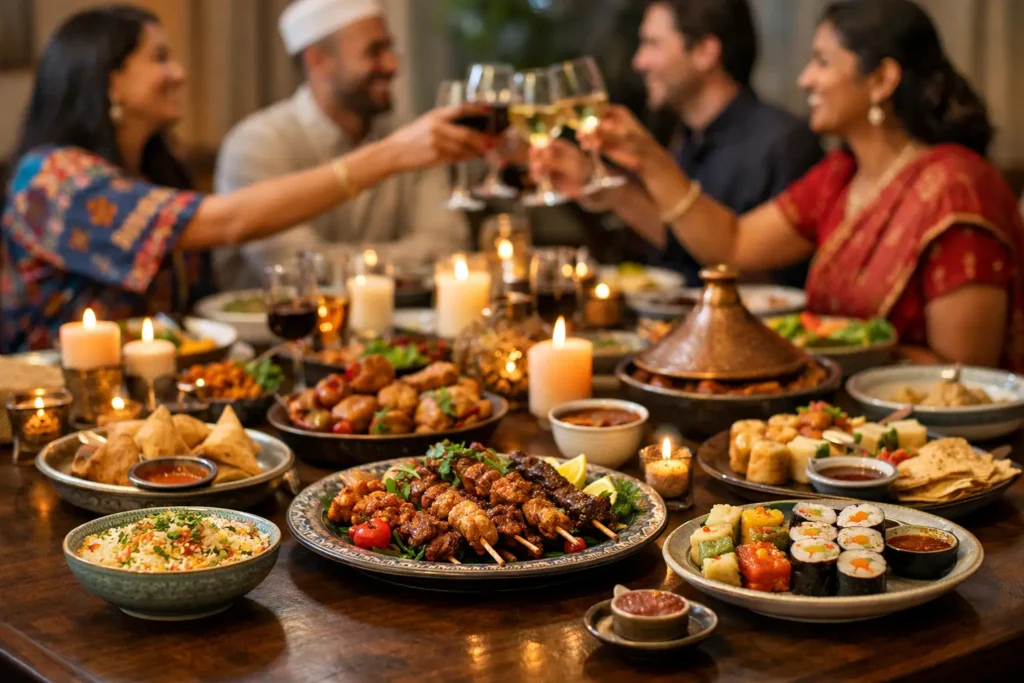
A cultural dinner should feel like an invitation into a story, not a themed photo backdrop. The dishes, music, welcome, and shared moments all have a job to do: help guests feel connected to a tradition and to one another. If you are wondering how to host a cultural celebration dinner, start with respect for the culture itself, then build the energy that makes everyone want to stay for one more song, one more toast, and one more dance.
Start With One Clear Cultural Story
The strongest celebrations have a point of view. Rather than mixing a few decorations from one place, food from another, and a playlist from everywhere, choose a specific tradition, region, holiday, or family occasion to honor. A Mexican Independence Day gathering feels different from a Día de Muertos dinner. A Caribbean-inspired birthday celebration has its own rhythm and food traditions. Specificity gives your evening heart.
Ask yourself what you want guests to understand or feel by the end of the night. It could be the warmth of a Mexican family-style meal, the joyful movement of a salsa social, or the meaning behind a seasonal holiday. That answer guides every decision, from your menu to the moment you welcome guests through the door.
If the celebration reflects a culture that is not your own, take extra care. Speak with people from that community, work with cultural hosts or performers when possible, and use reliable sources to understand what is appropriate. A celebration becomes more meaningful when it credits the traditions and people that shaped it.
Build the Dinner Around Food Worth Sharing
Food is the center of a celebration dinner, but it does not need to be complicated to be memorable. Choose dishes that make sense together and are meant to be passed, discussed, and enjoyed at a relaxed pace. Family-style service is especially effective because it turns the table into part of the experience.
For a Mexican cantina-inspired evening, that might mean beginning with fresh guacamole, salsas, and warm tortillas before moving into shared plates of tacos, enchiladas, grilled meats, vegetables, rice, and beans. Finish with something festive, such as churros or a rich flan. The goal is not to serve every dish associated with a country. It is to serve a focused menu with care.
Plan for dietary needs early, not as an afterthought. A great host makes sure vegetarian guests have a complete, satisfying plate rather than just side dishes. Label spicy salsas, offer nonalcoholic drinks with as much personality as the cocktails, and ask about allergies when guests confirm. These details let everyone join the celebration comfortably.
Drinks can set the tone before dinner even begins. Feature a small, well-chosen selection instead of an overwhelming bar menu. A tequila or mezcal cocktail may fit a Mexican celebration, while agua fresca, hibiscus tea, mineral water, and citrus-forward mocktails keep the table welcoming for everyone. Serve responsibly, especially if dancing is part of the plan.
Set the Scene Without Turning Culture Into Costume
Decor should create warmth and a sense of place, not reduce a living culture to stereotypes. Use color, texture, flowers, candles, table linens, and handmade-style details that support your chosen theme. A few intentional elements will always feel better than a room overloaded with props.
For a Mexican-inspired dinner, vibrant papel picado, marigold-colored florals, hand-painted serving pieces, and warm candlelight can create a beautiful setting. But context matters. Some symbols are connected to specific holidays, religious traditions, or memorial practices, so use them only when they belong to the occasion and you understand their meaning.
Think beyond what guests see. The aroma of grilled peppers, the sound of a guitar or salsa percussion, and the welcome at the door all shape the atmosphere. Place cards can include a short note about a dish or tradition, but keep the language simple and genuine. Nobody came for a lecture. They came to share a good night with people they enjoy.
Make Music and Movement Part of the Evening
A dinner becomes a celebration when the energy changes throughout the night. Start with music that allows conversation, then build toward livelier tracks once plates are cleared. A thoughtfully chosen playlist can carry guests from arrival to dessert to dancing without making the evening feel programmed within an inch of its life.
Live music adds another level of connection when the budget allows. A guitarist, mariachi group, Latin percussionist, or salsa performer gives guests something real to respond to. If you book entertainment, give performers the space and attention they deserve. They are not background decor. They are artists helping create the night’s cultural experience.
Dancing is optional, but an easy invitation works better than pressure. A short salsa lesson before open dancing is a great icebreaker for mixed groups. Keep it beginner-friendly and playful. The guests who know the steps can show off later; the first goal is getting everyone comfortable enough to move.
How to Host a Cultural Celebration Dinner With Real Hospitality
The best hosts are present, not perfect. Greet guests personally, offer a drink, and introduce people who have something in common. If your group includes travelers, friends, coworkers, and family members who have never met, a little thoughtful hosting goes a long way.
Open the dinner with a brief welcome. Thank guests for coming, name the occasion, and share one meaningful detail about the tradition being celebrated. Keep it to a minute or two. A sincere toast creates a shared starting point without slowing down the fun.
Timing matters more than a rigid schedule. Give people enough time to settle in before serving dinner. Bring out dishes in rounds so the table stays active. Leave room for conversation before entertainment begins. If dancing is planned, do not wait until everyone is ready to leave. The sweet spot is usually after dessert or after a lighter final course, when guests have eaten but still have energy.
A good host also reads the room. Some groups want a full dance floor, loud music, and a late-night toast. Others want long conversations around a table with live music in the background. Your guest list should shape the pace. The cultural elements remain meaningful either way.
Invite Participation, Not Performance
Guests should feel welcome to participate without being put on the spot. Offer easy ways to join in: a simple toast in another language with pronunciation help, a shared serving ritual, a short dance lesson, or a story prompt at the table. These moments invite connection without asking anyone to pretend they are an expert on a culture.
Avoid games or costumes that make traditions feel like a novelty. Celebration is most fun when people are enjoying culture with respect, not playing at it. If a guest has personal knowledge or family ties to the occasion, invite them to share only if they want to. Never make someone the unofficial spokesperson for an entire community.
Photos are part of modern celebrations, but keep them secondary to the experience. Create one beautiful spot for group pictures, then let the dinner unfold. The best images usually happen when people are laughing over a shared plate or stepping onto the dance floor for the first time.
Choose a Venue That Can Carry the Energy
Hosting at home can be intimate, but it also means managing cooking, service, music, cleanup, and guest flow at the same time. For a larger birthday, reunion, engagement party, or corporate group, a venue with food, drinks, entertainment, and space to dance can make the night far easier to enjoy.
Look for a place that understands the culture you are celebrating and can help you shape the evening around it. At La Catrina Cantina, a group can pair Mexican dining with Latin entertainment, salsa energy, and a cantina atmosphere that keeps the celebration moving after dinner. Reservations and private-event planning are especially helpful when you want everyone at the table instead of stuck coordinating logistics.
The final touch is simple: send guests home feeling included. A warm goodbye, a small leftover dessert, or a final song that brings the room together can stay with people long after the tables are cleared. When the culture is honored, the food is shared generously, and the welcome is real, your dinner does more than fill an evening – it creates a memory people will gladly celebrate again.